The future of plating!

Plating Workshop

Everything you need to know about plating!

Why Chemistry Matters: The Foundation of Engineering a Sustainable Plating Line

Why Chemistry Matters: The Foundation of Engineering a Sustainable Plating Line

Choosing a plating line manufacturer that understands your chemistry can mean the difference between years of reliable production and years of costly problems.

By Plating International, Inc.

A Plating Line Is More Than Tanks and Equipment

When investing in a new plating line or upgrading an existing operation, manufacturers often focus on equipment costs, production capacity, automation, and installation timelines.

While these are important considerations, one critical factor is sometimes overlooked:

Does the company designing and manufacturing your plating line truly understand the chemistry that will be used in it?

At Plating International, Inc., we believe understanding the chemistry should be the starting point of every plating line project, not an afterthought.

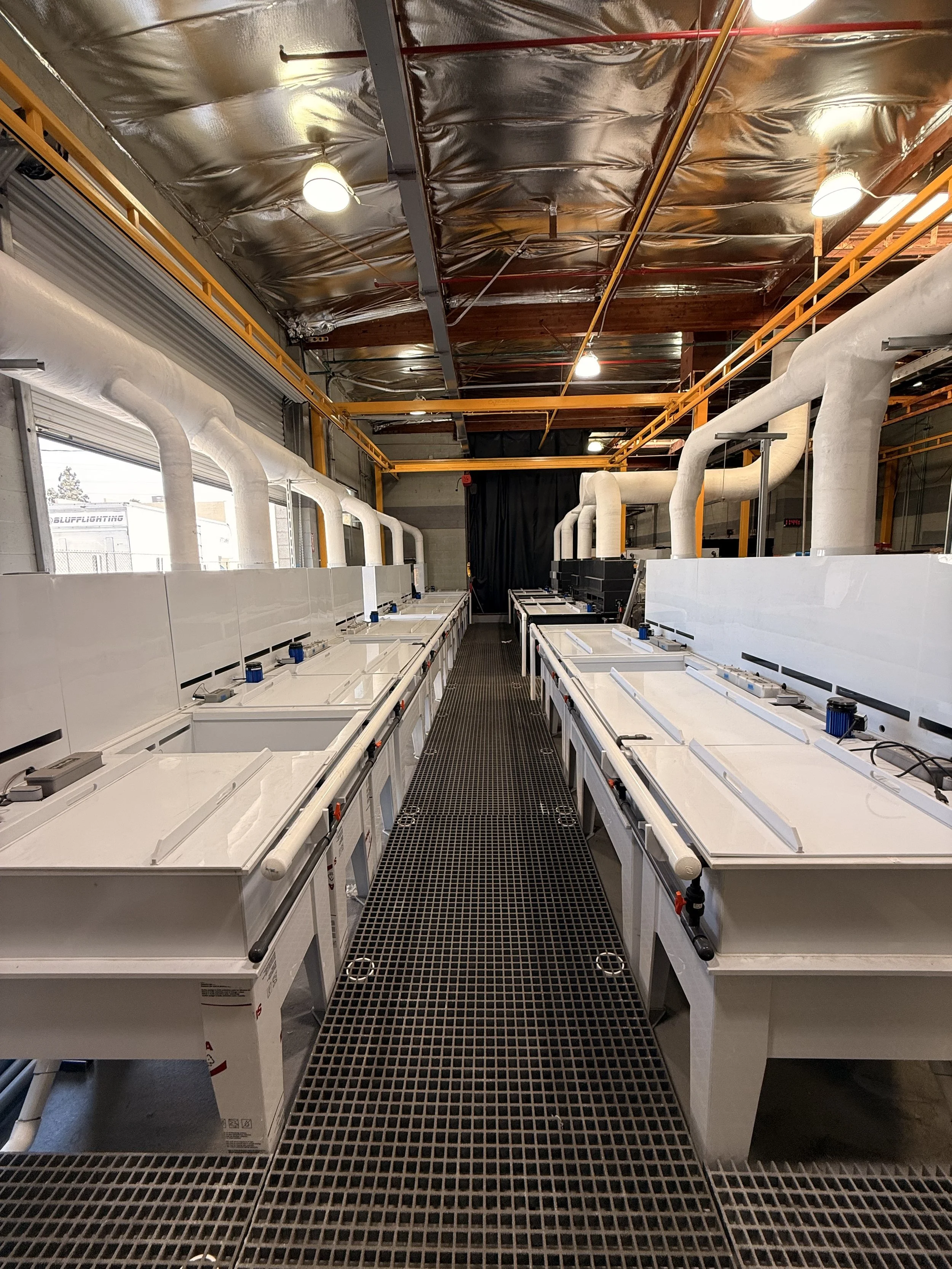
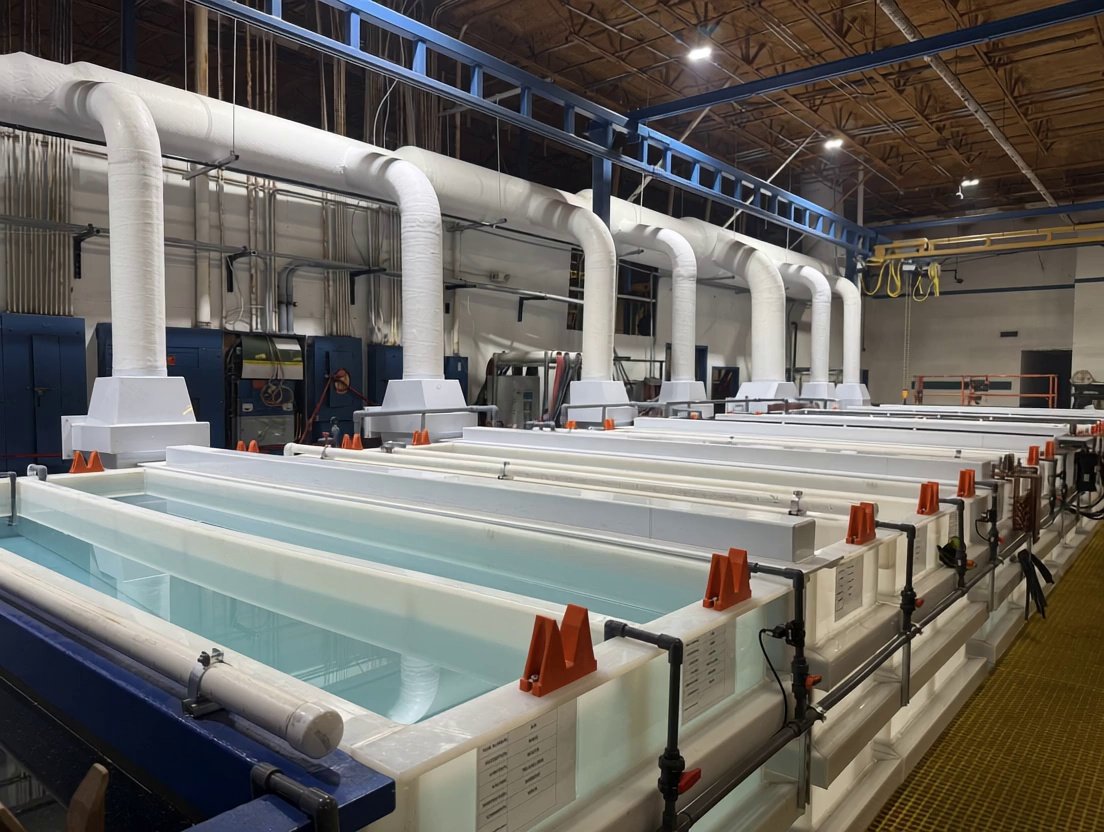
A plating line is not simply a collection of tanks, pumps, rectifiers, piping, and ventilation systems. It is an interconnected process where chemistry, temperature, electrical requirements, materials of construction, and operating conditions must work together.

When these elements are not properly evaluated, the consequences can be expensive.

The Hidden Cost of Choosing the Wrong Materials

Not all plating processes operate under the same conditions, and not all construction materials are compatible with every chemical solution.

Consider the differences between hard chrome plating, electroless nickel, anodizing, and various cleaning or pretreatment processes.

Each process presents unique challenges involving:

  • Chemical compatibility: Acids, alkaline solutions, oxidizers, and other process chemicals interact differently with construction materials.

  • Operating temperatures: A material that performs well at room temperature may not be suitable for elevated-temperature applications.

  • Electrical requirements: Rectifier capacity, copper bussing, and current distribution must be designed around the plating process.

  • Ventilation requirements: Proper capture and exhaust design depend on the chemistry, operating conditions, and potential emissions.

  • Maintenance and accessibility: Equipment should be designed for inspection, servicing, and long-term reliability.

Selecting the wrong tank lining, piping material, pump, or ventilation component can lead to premature deterioration, leaks, unexpected shutdowns, and expensive repairs.

The lowest initial equipment price does not always translate into the lowest long-term operating cost.

A plating line should be evaluated based on its total cost of ownership, not simply the price of construction.

Chemistry Knowledge Should Influence Every Design Decision

Imagine installing a new plating line only to discover that certain components cannot withstand the chemistry or operating temperatures. What initially appeared to be a cost-effective installation can quickly become a maintenance problem. This is why chemistry knowledge matters during the engineering and design process. Before recommending construction materials or equipment, a qualified plating line manufacturer should understand:

1. What chemistry will be used?

The exact chemical composition, concentration, and expected operating conditions help determine suitable materials.

2. What temperatures will the process operate at?

Continuous operating temperature, maximum temperature, and potential temperature fluctuations all influence material selection.

3. How will the process be controlled?

Chemical additions, filtration, agitation, heating, and electrical control should be considered during the initial design.

4. What are the long-term production requirements?

The line should accommodate anticipated workloads, maintenance requirements, and potential future expansion.

5. How will the equipment be maintained?

Access to pumps, piping, heaters, rectifiers, and other critical components should be incorporated into the design rather than addressed after installation.

Understanding these factors before construction begins can help eliminate problems that might otherwise follow a plating operation for years.

Sustainability Begins With Reliability

When discussing sustainability in surface finishing, conversations often focus on water consumption, chemical usage, wastewater treatment, and environmental compliance.

These are all essential.

However, another important aspect of sustainability is often overlooked:

How long can your plating line operate efficiently without unnecessary repairs, equipment replacement, or unplanned downtime?

A properly engineered plating line can contribute to sustainability by:

  • Extending the useful life of tanks, liners, pumps, and other equipment.

  • Reducing premature equipment replacement and associated material waste.

  • Helping prevent chemical leaks and unnecessary chemical losses.

  • Supporting efficient heating, electrical distribution, and process control.

  • Reducing maintenance-related production interruptions.

  • Making future upgrades and automation easier to implement.

Sustainability is not only about reducing environmental impact. It is also about building a production system that remains reliable, efficient, and economically viable over time.

A plating line that lasts longer, operates more consistently, and requires fewer unnecessary repairs is a more sustainable investment.

Designing for Today's Operation and Tomorrow's Growth

The surface finishing industry continues to evolve.

Automation, improved process monitoring, chemical feed systems, wastewater treatment technologies, and energy-efficient equipment are becoming increasingly important.

When designing a new plating line, manufacturers should consider more than today's production requirements.

Can the system accommodate future automation?

Can chemical additions be controlled more consistently?

Can maintenance personnel access critical equipment without disrupting production?

Can the operation expand without requiring major modifications to the original installation?

These questions are easier to address during the design phase than after the equipment is installed.

A manufacturer that understands both plating chemistry and equipment engineering can help customers evaluate these opportunities before construction begins.

Why Plating International Takes a Chemistry-First Approach

At Plating International, Inc., our experience in plating chemistry, equipment, and technical service provides an important perspective when evaluating plating line projects.

We understand that a successful plating operation depends on more than the equipment itself.

The chemistry determines many of the requirements that the equipment must meet.

Through our equipment manufacturing capabilities, including RK Fabrication, we can bring together process knowledge, material selection, engineering, fabrication, and installation support.

Our capabilities include plating tanks and liners, rectifiers, copper bussing, ventilation systems, pumps, heating equipment, automation, and complete plating line solutions.

Our approach is straightforward:

Understand the chemistry. Evaluate the operating conditions. Select the correct materials. Design for long-term reliability.

By considering these factors together, we aim to help customers avoid preventable equipment failures, improve operational efficiency, and protect their long-term investment.

The Right Manufacturer Can Make All the Difference

A new plating line is a significant investment, and the decisions made during its design can affect an operation for decades. Choosing a manufacturer based solely on equipment pricing or fabrication capabilities may overlook some of the most important factors affecting long-term performance. Before selecting your next plating line manufacturer, ask one important question:

Do they understand the chemistry that their equipment will be exposed to every day?

Because when it comes to plating line reliability, safety, and sustainability, chemistry matters.

Understanding the Chemistry. Engineering the Solution. Supporting Your Success.

Whether you are building a new plating line, upgrading existing equipment, or evaluating material compatibility, Plating International can help you make informed decisions for long-term performance.

Website: www.PlatingInternational.com
Email: Info@PlatingInternational.com
Phone: 847-451-2101

Plating International, Inc
New Chrome Plating Rectifiers featuring Pole Reverse Technology, now available for rapid delivery in as little as 2–3 weeks!

Optimize Your Plating Operations with Plating International Inc.

Say Goodbye to Costly Downtime!

Introducing our New Chrome Plating Rectifiers featuring Pole Reverse Technology, now available for rapid delivery in as little as 2–3 weeks!

Why Choose Plating International?

  • 🚀 Fast-Track Your Projects: Our streamlined process ensures you receive your high-performance rectifier in record time, minimizing downtime and maximizing efficiency.

  • 🔧 Advanced Technology: Powered by Flex Kraft switch mode technology, our rectifiers deliver unmatched reliability, ensuring consistent and superior plating results.

  • 🔗 Modular Flexibility: Tailor your setup to your exact needs with our stackable and customizable units, designed for seamless expansion as your business grows.

  • ⚙️ Maintenance-Free Operation: Enjoy virtually maintenance-free performance, allowing you to focus on what truly matters—your production.

  • 🔍 Precision Performance: Experience less than 1% ripple across any output, eliminating the need for ripple filters and enhancing your plating quality.

Turnkey Installations Available!
Let us handle the installation process from start to finish, ensuring your new system is up and running without a hitch.

Copper Bussing Installation for Hard Chrome Plating.

Copper bussing is crucial in chrome plating applications due to several reasons related to its role in the electroplating process: Don’t forget to visit our rectifier page.

1. Conductivity:

  • High Electrical Conductivity: Copper has excellent electrical conductivity, which is essential for uniformly distributing the electrical current across the surface of the part being plated. This ensures consistent deposition of the chromium layer.

  • Reduced Voltage Drop: Copper’s low resistance minimizes voltage drops, allowing for efficient energy use and more precise control over the plating process.

2. Uniform Current Distribution:

  • Even Plating: Proper bussing ensures that the electrical current is distributed evenly across all parts of the surface. This is critical for achieving a uniform chrome layer, avoiding thin spots or uneven coating that could lead to defects in the finished product.

3. Durability:

  • Mechanical Strength: Copper bussing is robust and can handle the mechanical stresses of the plating process, including the weight of the parts and the force required to maintain good electrical contact.

  • Corrosion Resistance: Copper is relatively resistant to corrosion in the environment of the plating bath, which helps maintain consistent performance over time.

4. Heat Management:

  • Efficient Heat Dissipation: During the plating process, heat is generated due to the flow of current. Copper’s excellent thermal conductivity helps dissipate this heat, preventing overheating and potential damage to both the equipment and the workpiece.

5. Cost-Effectiveness:

  • Material Availability and Cost: Copper is relatively cost-effective compared to other highly conductive materials like silver or gold, making it a practical choice for large-scale industrial applications.

In summary, copper bussing is essential for ensuring a reliable, efficient, and high-quality chrome plating process. Its electrical and thermal properties, along with its durability, make it the preferred choice for this application.

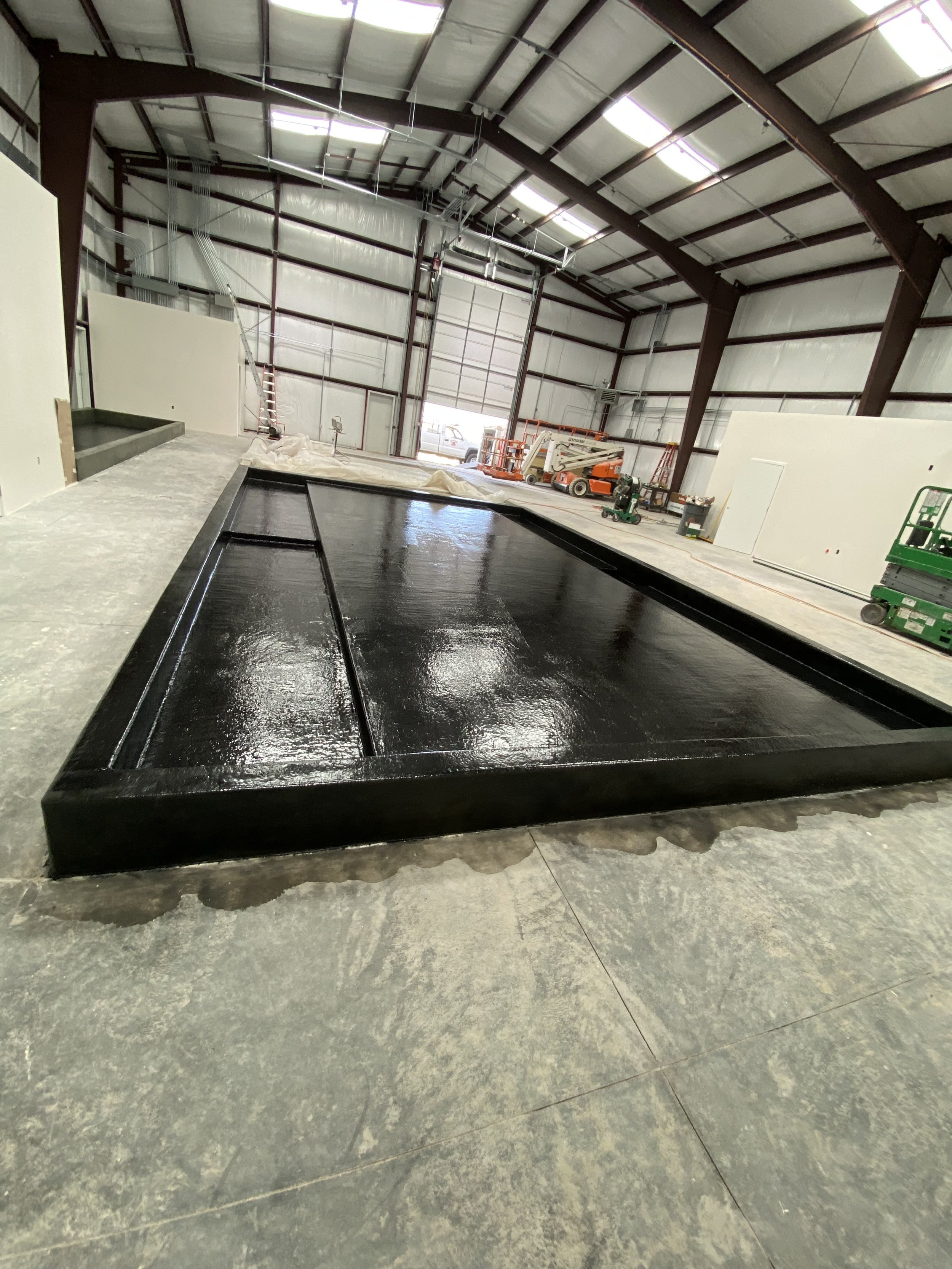
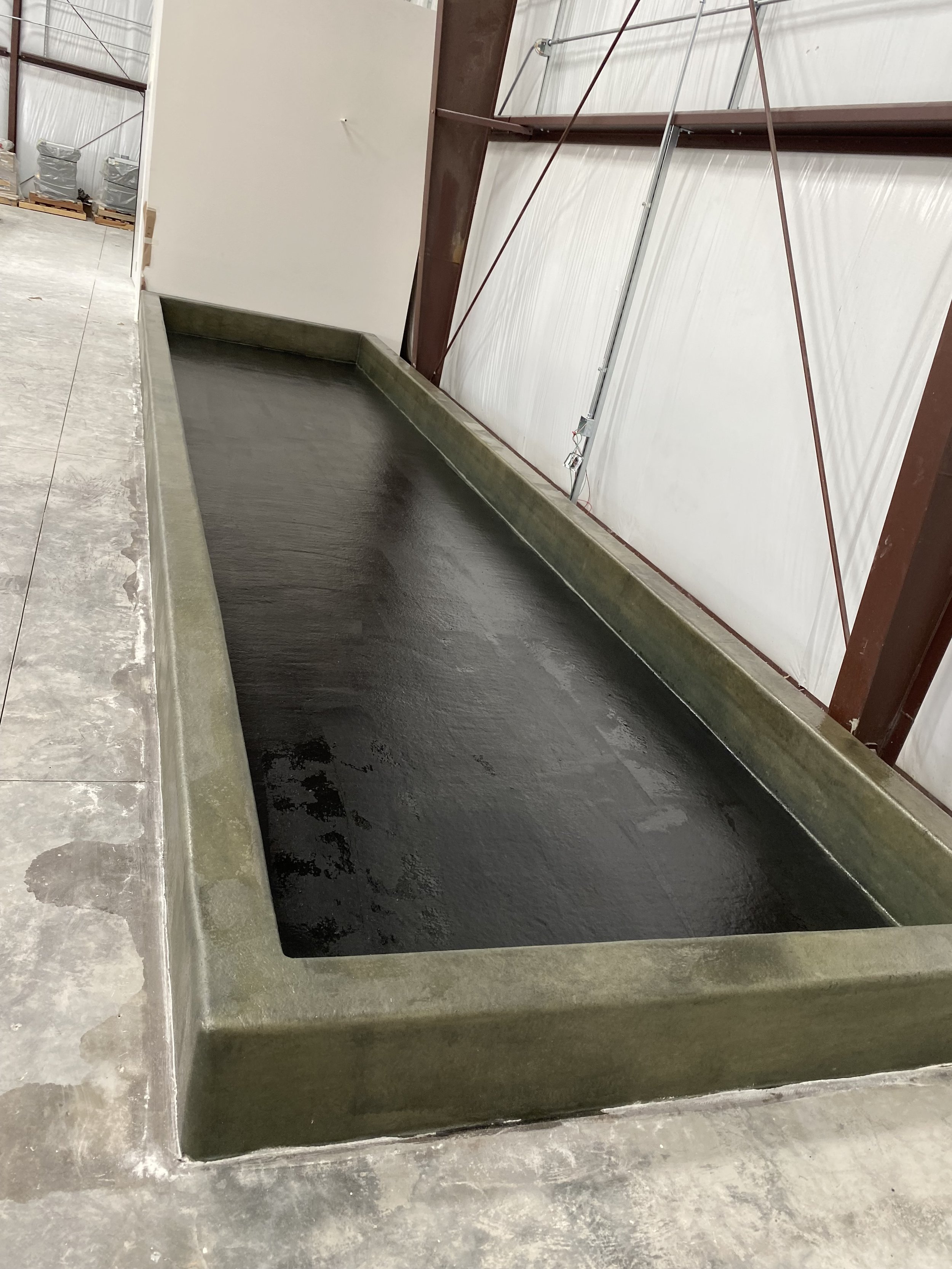
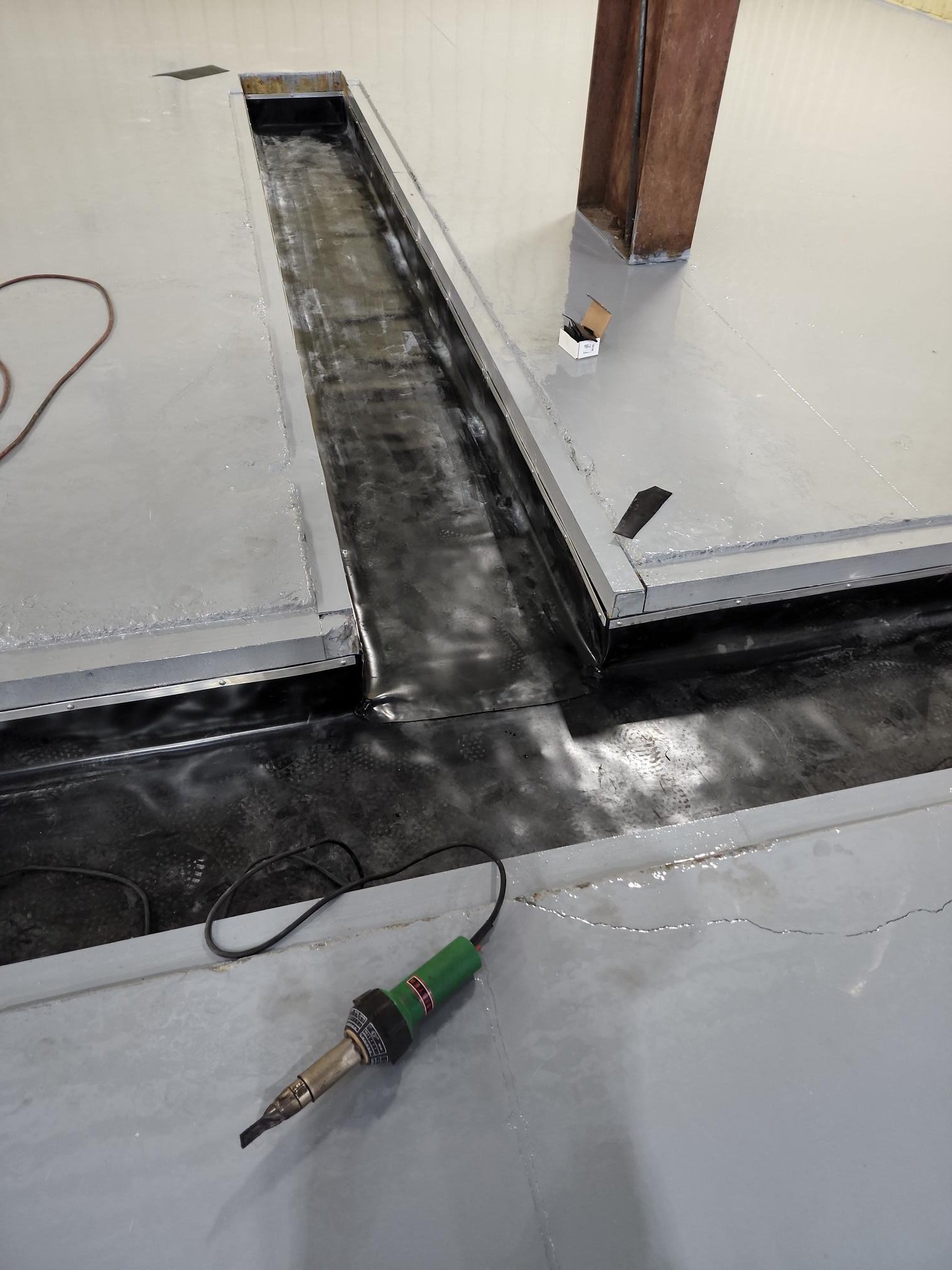
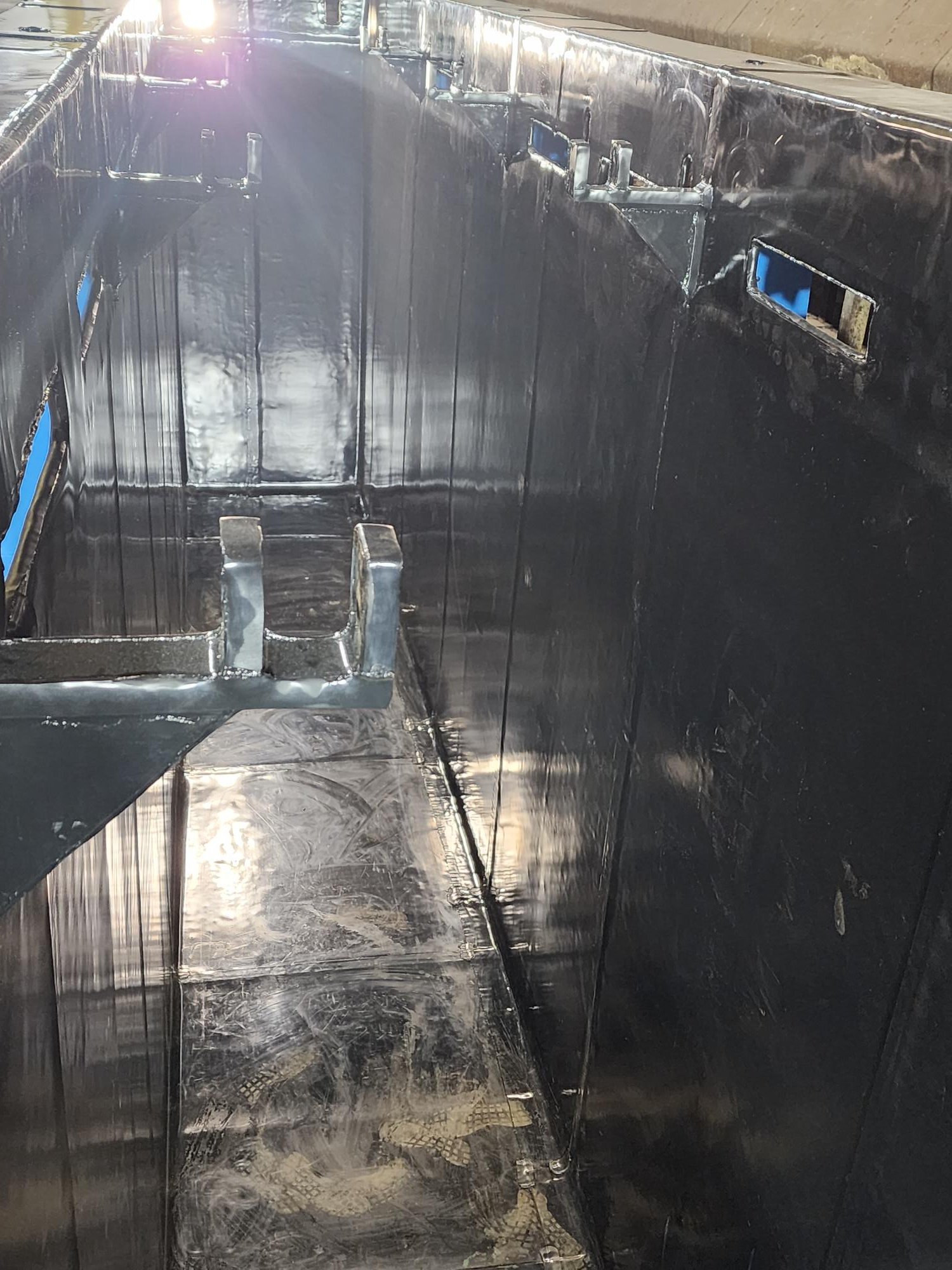
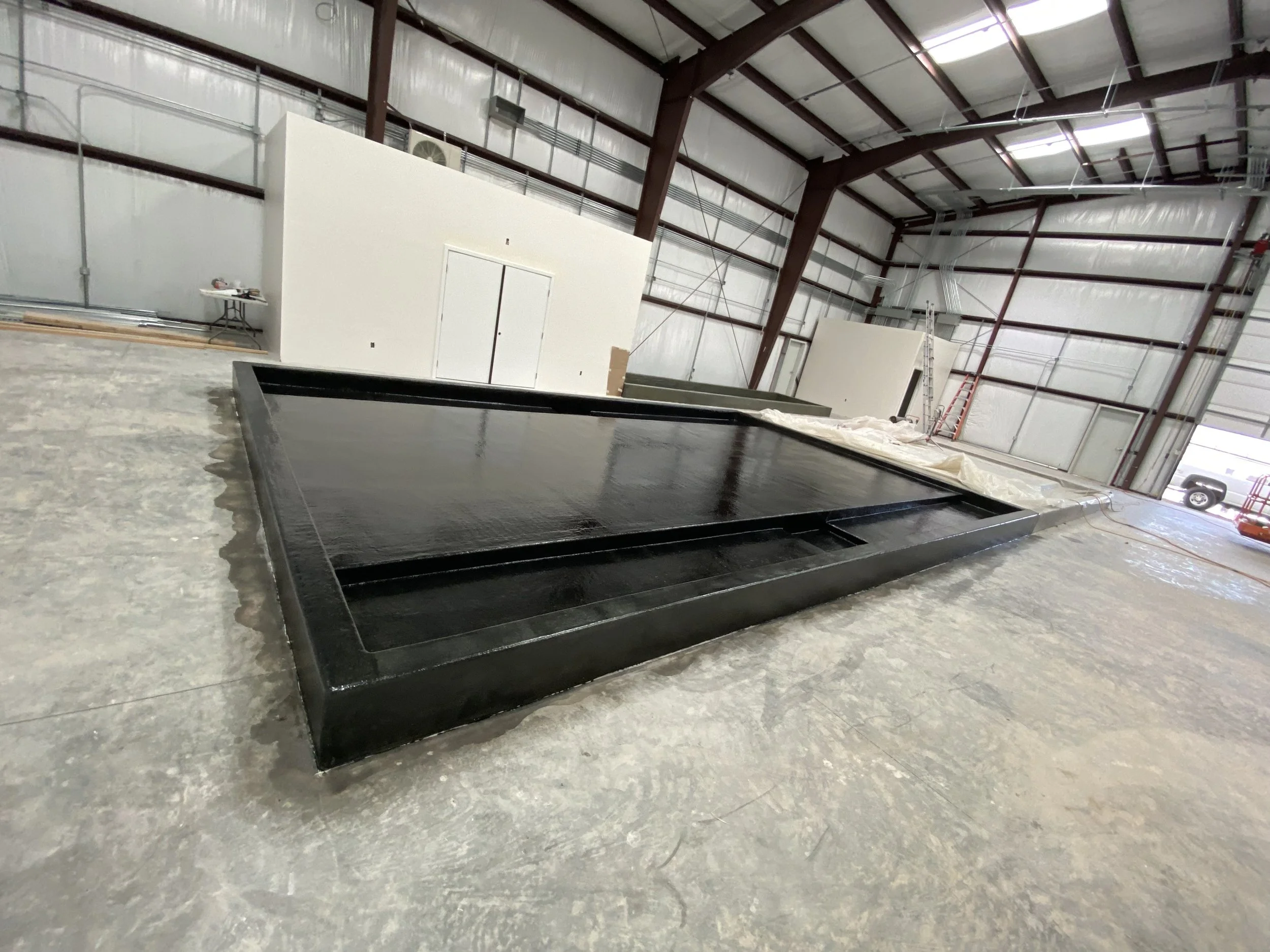
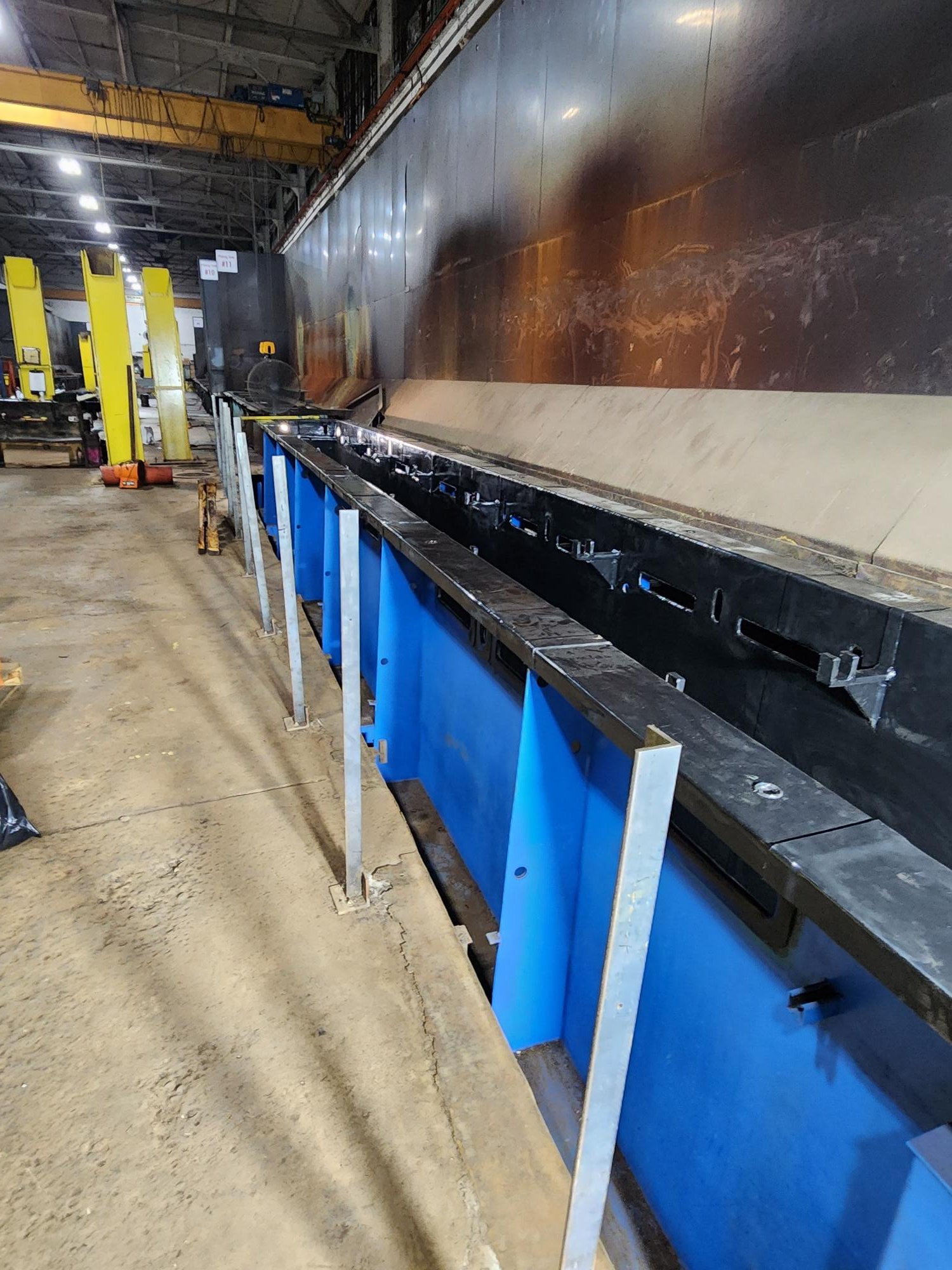
Plating International custom tank liners and secondary containment are the heroes behind the scenes!

Our custom tank liners and secondary containment are the heroes behind the scenes. Crafted with precision, these liners are tailored for each application, ensuring a perfect fit and unmatched protection against corrosive chemicals. It's innovation meeting necessity.

But it's not just about keeping your tanks safe. Our commitment to the environment is unwavering, with secondary containment solutions that guard against chemical seepage. Your peace of mind is our priority, ensuring compliance with EPA regulations effortlessly.

Our experienced team handles even the most complex setups with ease. And when it's time for a change, we're there to make the transition smooth, minimizing downtime and keeping your operations running without a hitch.


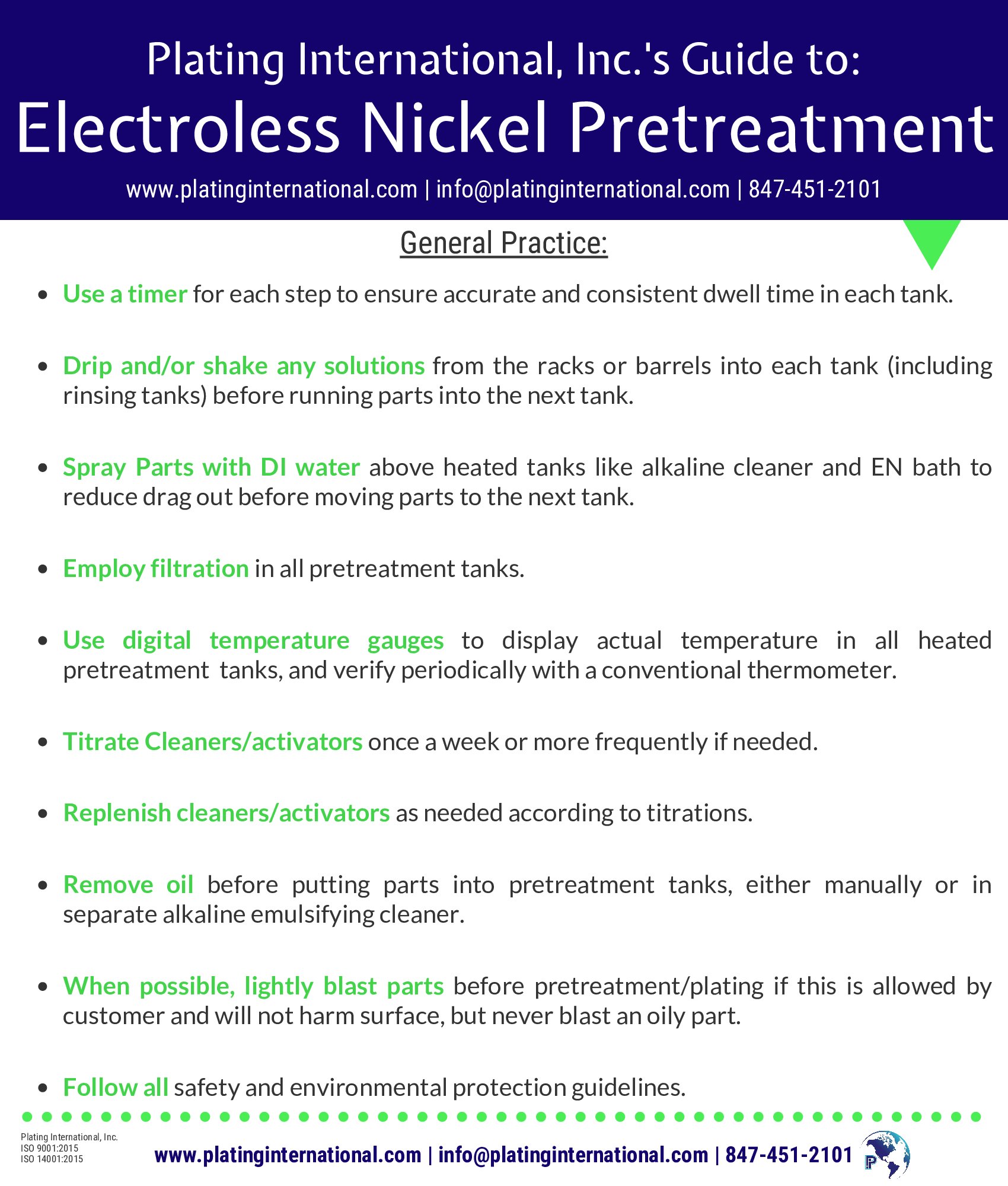
Electroless Nickel Plating Best Practices: How to rinse and remove parts from an EN PTFE bath

Electroless Nickel Plating Best Practices: How to rinse and remove parts from an EN PTFE bath

Electroless Nickel Plating: Cooling Techniques for Extended Bath Life and Premium Quality! Discover the essential steps to cool down your bath effectively before shutting off agitation and filtration.

Electroless Nickel Plating Best Practices: Cooling Techniques for Extended Bath Life and Premium Quality! Discover the essential steps to cool down your bath effectively before shutting off agitation and filtration.

Turnkey Plating Lines and Plating Shop Projects.

Planning a Plating Shop Project in 2024 or beyond? Look no further! From turnkey plating lines to rectifiers, tanks, ventilation, copper bussing, and seamless turnkey installs, Plating International, Inc. has you covered. Let's minimize your downtime and maximize efficiency. Reach out to Info@PlatingInternational.com for a prompt response to your project needs.

Our Modular Plating Lines offer several advantages for your plating operation. With these lines, you can enhance your plating capabilities and expand your business in a cost-effective manner.

Electroless Nickel plating line.

Plating International, Inc. Modular Plating Lines offer several advantages for your plating operation. With these lines, you can enhance your plating capabilities and expand your business in a cost-effective manner. Here are some key features:

1. Pre-assembled: The lines are delivered to you in a pre-assembled state, saving time and effort in installation and setup.

2. Auto fill and auto feed: The lines are equipped with automatic filling and feeding systems, reducing manual labor and ensuring consistent and efficient plating processes.

3. Micro boilers or traditional electric heaters: Depending on your requirements and preferences, you have the option to choose between micro boilers or traditional electric heaters for the plating process. We prefer micro boilers because they are more efficient, use less energy, and most importantly reduce the risk of a fire in your plating shop

4. Complete control panel: The lines come with a comprehensive control panel that allows you to monitor and adjust various parameters, ensuring precise control over the plating process.

5. Full ventilation: Proper ventilation is essential in plating operations to maintain a safe and healthy working environment. These lines are equipped with full ventilation systems to effectively remove fumes and ensure air quality.

6. 3 to 4 month lead times: Plating International, Inc. aims to deliver the modular plating lines within a reasonable lead time of 3-4 months, allowing you to plan your operations accordingly.

By offering these features, our Modular Plating Lines aim to simplify the process of setting up or expanding a plating operation, providing a convenient and efficient solution for businesses in the plating industry.

Electroless Nickel plater switches to Single Component Electroless Nickel

The power of Single Component #ElectressNickel
-Plug and play ✅
-Brightness ✅
-Hooked ✅

Single Component Electroless Nickel - Drop In Solution !
  1. Drop in solution for existing plating shop tanks and processes, making the transition from 3 component smooth and hassle free.

  2. Make up and replenish from the same drum or tote.

  3. A bath make is the same price as One Metal Turnover (MTO)

TESTIMONIAL : The Power of Single Component Electroless Nickel.
The proper way to passivate a stainless steel tank for Electroless Nickel Plating.

Below is the proper way to passivate a stainless steel tank for Electroless Nickel Plating to share with your team!

Making the switch to One Plate - Single Component Electroless Nickel

Click below to learn why electroless nickel platers like Bob are making the switch to One Plate - Single Component Electroless Nickel.

Electroless Nickel Plating Tanks from Plating International

Having your Electroless nickel tank properly designed and built is critical to having a sustainable EN operation. Poly/Co poly or Stainless Steel will work best.

Polypropylene Natural, stress-relieved polypropylene is well regarded for tank construction, as it is inert to plating solutions. Tanks are easily fabricated, and when using proper nitrogen welding techniques, are fairly reliable. The relative low cost and versatility of design considerations make polypropylene the most widely used material of construction for electroless nickel tanks.

Stainless steel tanks have infinite life spans. Electroless nickel, however, will plate onto the stainless steel tank walls, and these tanks may prove expensive to operate because of periodic plate out, which necessitates downtime for tank stripping and clean-up. Satisfactory operation has been sustained using well-stabilized electroless nickel solutions with one or more of the following techniques: Chemical Passivation, Applied Anodic current to take during operation, & Bag liners

Copper bussing install on Flex Kraft Switch mode rectifiers for Hard Chrome Plating

Do you know about Flex Kraft switch mode rectifiers for hard chrome plating? Click the link below to learn more about making the switch to a switch mode Flex Kraft unit. Plating International also offers installation of the copper bussing for your rectifier directly connected to your plating tanks.

Contact us today.

Copper bussing 1.jpg
Flex kraft 20,000.jpg
Cathodes and Anodes in the chrome plating process (Part 2)

Watch our video below to learn more about cathodes and anodes